
Published by J.A. Davis & Associates – San Antonio Personal Injury Lawyers – Truck Accident Lawyers
Texas Highways: Recognizing Dangerous Truck Merging Behavior and Protecting Yourself from Lane Change Accidents (Part 10)
Dangerous truck merging behavior causes thousands of accidents on Texas highways every year. On-ramp failures, improper lane changes, and failure to yield create collision scenarios that leave motorists with little time to react. Dangerous truck merging behavior contributed to a significant percentage of the 38,909 commercial vehicle crashes recorded in Texas during a recent year, with intersection-related incidents accounting for nearly one-third of all accidents. Dangerous truck merging behavior often results from drivers misjudging the size and momentum of their vehicles in heavy traffic conditions. If you or a family member has been injured due to a truck driver’s failure to yield or execute safe lane changes, legal remedies are available.
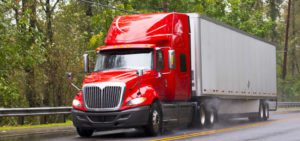
The Scope of Merging and Lane Change Accidents in Texas
Texas interstate highways function as major freight corridors where commercial trucks must constantly navigate merging traffic, lane changes, and congested conditions. This environment creates frequent opportunities for accidents when truck drivers fail to execute proper merging procedures. Of the 38,909 commercial motor vehicle crashes recorded in Texas during a recent year, intersection-related incidents accounted for 32.76% of the total, representing 1,339 accidents where yielding failures or improper signaling contributed to collisions.
Unsafe lane changes and failure to yield rank among the leading causes of commercial vehicle accidents in Texas. These violations occur most frequently when truck drivers misjudge the space required to maneuver their vehicles safely. A standard semi-truck with trailer extends approximately 70 feet in length and requires substantially more room to complete lane changes than passenger vehicles.
The human cost of these accidents proves devastating. In that same year, 549 fatal commercial vehicle crashes claimed 620 lives across Texas. Many of these fatalities resulted from merging incidents that transformed minor traffic conflicts into catastrophic multi-vehicle collisions. National Highway Traffic Safety Administration data indicates that improper turns and lane drifts contribute to approximately 20% of truck accidents nationally. Given the volume of commercial traffic on Texas highways, these statistics translate into significant risk for motorists navigating merge zones and lane change areas.

Warning Signs of Dangerous Truck Merging Behavior
Truck drivers preparing to merge or change lanes exhibit observable behavior patterns that signal potential danger. Recognizing these indicators provides motorists opportunity to adjust position and create safety margins.
Failure to yield on entrance ramps presents one of the most dangerous merging scenarios. A semi-truck accelerating onto the highway without slowing or signaling ignores fundamental right-of-way rules. This behavior creates a blind sprint lasting approximately 10 seconds during which the truck driver may be unaware of vehicles in the merge lane.
Unstable lane change execution manifests as mid-merge wobbling, late turn signal activation, or failure to signal entirely. Commercial truck trailers track wider than the cab during lane changes, meaning the rear of the trailer swings into adjacent lanes during the maneuver. Drivers who initiate lane changes without accounting for this trailer swing invade spaces they cannot adequately monitor.
Speed mismatches during merging create additional hazards. Trucks entering highways significantly below traffic speed force other vehicles to brake suddenly or change lanes to avoid collision. Conversely, aggressive acceleration to force entry into traffic flow indicates impatience that compromises safe judgment. These behaviors often correlate with driver fatigue or pressure to meet delivery schedules. TxDOT crash data indicates that these patterns appear in approximately 30% of intersection-related commercial vehicle accidents.
Protective Measures for Texas Motorists
Navigating merge zones safely alongside commercial trucks requires anticipation and measured responses. The following measures can reduce exposure to dangerous merging situations.
Begin monitoring merge zones well in advance of entry points. Identify approaching on-ramps and merging traffic at least 500 feet before reaching the merge area. Use mirrors to track commercial vehicles in adjacent lanes and assess their likely movements. Adjust your speed early to create gaps that allow safe merging by other vehicles, aiming for approximately 5 to 10 miles per hour below the speed limit when approaching congested merge zones. Signal your own intentions clearly and early.
Yield proactively when commercial trucks enter your space. While traffic laws establish right-of-way rules, trucks operating in violation of those rules still pose physical danger regardless of legal fault. If a semi-truck encroaches on your lane during a merge, brake smoothly and maintain your lane position rather than swerving into adjacent traffic. A controlled reduction in speed provides more predictable outcomes than sudden evasive maneuvers.
Execute your own lane changes deliberately and completely. Change one lane at a time, allowing three seconds of stable travel before initiating the next lane change. This measured approach prevents the chain-reaction scenarios that occur when multiple vehicles attempt simultaneous lane changes in congested traffic. Activate hazard lights if you find yourself squeezed between commercial vehicles, and note identifying information from trucks that create dangerous conditions.
Document dangerous merging behavior when safely possible. Dashboard cameras capture evidence of improper lane changes, failure to yield, and signal violations that prove valuable for police reports and potential legal proceedings. Record mile markers, times, and witness contact information following any incidents.
Report dangerous drivers through TxDOT’s 511 system or Texas Highway Patrol at *HP (*47). These reports contribute to enforcement efforts and help identify corridors where additional monitoring may be warranted.
Legal Framework and Enforcement Efforts
Texas traffic law establishes clear requirements for yielding and lane change procedures. Yield violations carry fines starting at $200, with increased penalties for violations that result in accidents. TxDOT has deployed corridor cameras at high-incident merge zones to document violations and support enforcement actions.
Federal regulations governing commercial vehicle operation establish standards for safe lane changes and merging procedures. Violations of these standards, combined with potential hours-of-service infractions or inadequate driver training, strengthen negligence claims when improper merging causes accidents.
Trucking companies bear responsibility for ensuring their drivers receive adequate training on vehicle handling characteristics, including the trailer swing dynamics that make lane changes hazardous. When inadequate training contributes to merging accidents, both driver and employer may face liability.
Protecting Your Rights After a Merging Accident
If you have been injured in an accident involving improper truck merging or lane change behavior, preserve evidence immediately. Photograph vehicle positions, damage patterns, lane markings, and any signage relevant to the merge zone. Obtain contact information from witnesses who observed the truck’s behavior before the collision.
Seek medical attention promptly and maintain records of all treatment and expenses. Texas law allows injury victims to pursue compensation for medical bills, lost wages, pain and suffering, and other damages caused by negligent driving.
Consulting with a truck accident attorney costs nothing upfront and provides clarity about your legal options. An experienced attorney can investigate driver logs, training records, and fleet policies to establish the negligence that contributed to dangerous merging behavior.
Review your uninsured and underinsured motorist coverage before an accident occurs. Adequate UM/UIM coverage protects you when at-fault parties carry insufficient insurance. Understanding the risks associated with truck merging behavior empowers Texas motorists to anticipate hazards and respond appropriately when dangerous situations develop.